11/27/2019

第一回ツール・ド・丹波 2019

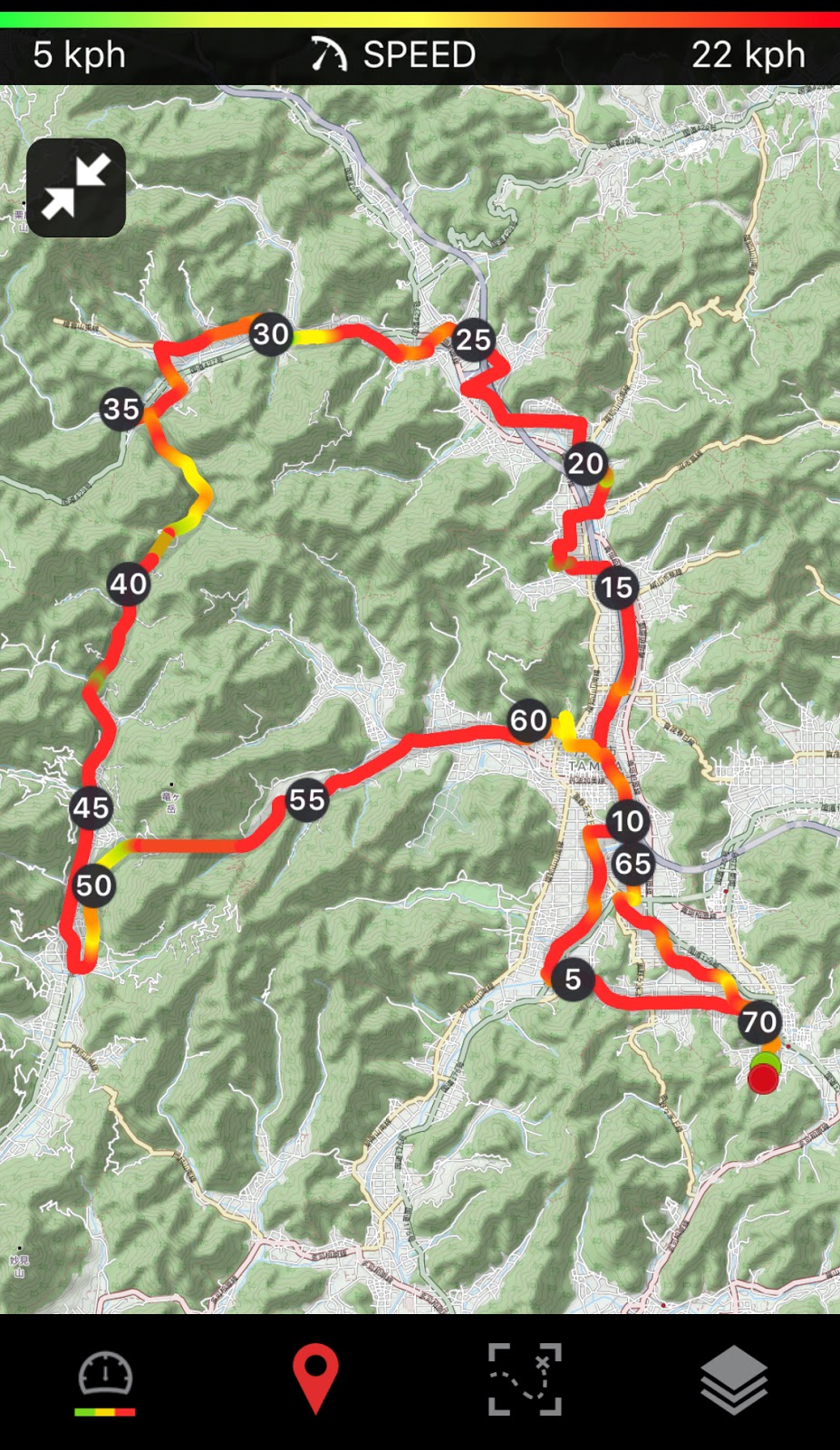
紅葉の時期、11月中旬の日曜日に丹波地方でツーリングイベントがありましたので参加しました。レースではなくてあくまでツーリングです。
紅葉がきれいな時期の丹波、とても楽しめました。来年も参加したいです。

最終的に走行距離は70km、総時間は約6時間
参加費は15000円
参加賞などは、
・イベントオリジナルジャージ(めちゃくちゃ本格的なヤツこれだけで参加費以上の価値あり)、
・3kgの米(新米、現地まで自走や、電車で輪行なら、帰路は軽い罰ゲーム)
・イベント終了後の善哉
その他として、途中のエイドポイント、チェックポイントも参加費込
・円通寺入場料300円
・高源寺入場料300円
・丹波地元の鶏卵と牛乳で作ったプリン
・あまご(魚)の炭火塩焼き
・昼食のおにぎり、味噌汁(食べ放題)
・道の駅のから揚げ、エナジーバー

参加費より絶対に足でてるわ、コレ。

結論、満足しました。

次は桜の時期にあるそうです。

希望としては、丹波竜の化石発掘場所を含めたツアーがいいなぁ。

ちなみにバイクは2015年購入のEmonda ALR4です。
4年たっても快適です。まだまだ走ります。


SGLT2阻害薬が心不全に効果あり


AHA2019で発表され、論文化されたやつです。

Dapagliflozin in Patients with Heart Failure and Reduced Ejection Fraction

https://www.nejm.org/doi/full/10.1056/NEJMoa1911303

NYHAの2-4の症例にDapagliflozin を投与すると、T2DMのあるなしにかかわらず、心不全や心疾患死を減らす。

です。

ますます、心不全の利尿剤っぽくSGLT2阻害薬を使う時代になりそうです。


以下原文転記です。

BACKGROUND
In patients with type 2 diabetes, inhibitors of sodium–glucose cotransporter 2 (SGLT2) reduce the risk of a first hospitalization for heart failure, possibly through glucose-independent mechanisms. More data are needed regarding the effects of SGLT2 inhibitors in patients with established heart failure and a reduced ejection fraction, regardless of the presence or absence of type 2 diabetes.

METHODS
In this phase 3, placebo-controlled trial, we randomly assigned 4744 patients with New York Heart Association class II, III, or IV heart failure and an ejection fraction of 40% or less to receive either dapagliflozin (at a dose of 10 mg once daily) or placebo, in addition to recommended therapy. The primary outcome was a composite of worsening heart failure (hospitalization or an urgent visit resulting in intravenous therapy for heart failure) or cardiovascular death.

RESULTS
Over a median of 18.2 months, the primary outcome occurred in 386 of 2373 patients (16.3%) in the dapagliflozin group and in 502 of 2371 patients (21.2%) in the placebo group (hazard ratio, 0.74; 95% confidence interval [CI], 0.65 to 0.85; P<0.001). A first worsening heart failure event occurred in 237 patients (10.0%) in the dapagliflozin group and in 326 patients (13.7%) in the placebo group (hazard ratio, 0.70; 95% CI, 0.59 to 0.83). Death from cardiovascular causes occurred in 227 patients (9.6%) in the dapagliflozin group and in 273 patients (11.5%) in the placebo group (hazard ratio, 0.82; 95% CI, 0.69 to 0.98); 276 patients (11.6%) and 329 patients (13.9%), respectively, died from any cause (hazard ratio, 0.83; 95% CI, 0.71 to 0.97). Findings in patients with diabetes were similar to those in patients without diabetes. The frequency of adverse events related to volume depletion, renal dysfunction, and hypoglycemia did not differ between treatment groups.

CONCLUSIONS
Among patients with heart failure and a reduced ejection fraction, the risk of worsening heart failure or death from cardiovascular causes was lower among those who received dapagliflozin than among those who received placebo, regardless of the presence or absence of diabetes. (Funded by AstraZeneca; DAPA-HF ClinicalTrials.gov number, NCT03036124. opens in new tab.)

10/26/2019

Hawaii旅行2019 ー単身公務で出張ーでも自転車ー

人生三回目のHawaii旅行です。5泊7日です。
単身出張公務でです。遊びではありません。
しかしハワイはリゾートそれなりにエンジョイしなくては!!
ということで、俗っぽいツアーはではなく、自分の趣味を生かして、ツーリングに決めました。

ワイキキのHawaii International Shopping Centerの北側にある「BIKE A DELIC」というレンタサイクルを利用しました。このお店、超おススメです!!
TREK:checkpoint(グラベル・ロード:コンポは105!!)を選択。
1週間で250ドル程度です。
その他、電動バイクやDomaneなどもありました。
自転車は、使わない時はホテルに持ち込んで部屋で管理(僕のホテルは自転車持ち込みOKでした。お店でも預かり可で、8-19時の営業時間に持ってゆき保管、乗るときに取りに行く。)

連日仕事が終わってから日没までの時間をサイクリングorツーリングしました。
ワイキキからダイヤモンドヘッド方面と、ハワイ大学医学部のキャンパス方面に主に行きました。車が少なくて快適なのはダイヤモンドヘッド方面です。
ハナウマ湾まで行きたかったのですが、公務が終わってからだと時間がなくて無理でした、残念。

このレンタサイクル店「BIKE A DELIC」は良心的ですごく良かったです。
・パンクキットも料金込々で車載、U字ロックもあり。
・パンクしても持っていけば無料で修理、チューブ交換してくれる。
「無料だよ、パンクするのが自転車だからね。(^_-)-☆」って、惚れました。 
・おすすめコースを教えてくれる。
・ボトルを買うと、冷えた水が入ったものを提供してくれる。
・すべてが良心的なアドバイス。
です。センチュリーライドもこのお店がサポートしているそうです。

さて、グラベル・ロードの感想です。
ハワイの路面は、アメリカクオリティなんでボコボコ。
ですので、通常のロードだとずいぶん路面に気を使ったと思います。グラベルなら、結構ガンガン・ガタガタでも土の部分でもいけます。
また初めてディスクブレーキでしたが、僕のEmondaALR4のnonDiscとあんまり変わらなかったと思います。

しかしハワイ、パンクしまいた。
でも、前日ツーリングして、翌日乗る前にタイヤチェックすると、小枝がくっついているので取ると「プシュー・・・」小枝にはトゲがありました。
レンタサイクルに持って行って、チューブ交換してもらい
僕「落ちている小枝のトゲが刺さったんだよ。」
スタッフ「ああ、これねKiawe(キアヴェ)って木だよ、ハワイによくあるよ。でも刺さってもフラットタイヤにならなかったのは、これがいいタイヤだからだよ。君はラッキーだ!」ってね、

ということで、その日もツーリングに行きました。

そして最終日は、一緒に来ていた日本人の人を誘って、一緒にダイヤモンドヘッド・トレイルまで行きました。一緒に行った方は電動バイク、TREKの「Verve+」。
これが凄い!日本版よりアシストが強いらしくて、めちゃくちゃ登ります。10%程度を僕が全力で踏み倒しても、初心者の普段まったく運動しない方が追い越せるぐらいです。
(ちなみのその方はダイヤモンドヘッドの山道トレイルで息切れで呼吸困難に陥ってました…)

ということで、合計5日間連日のツーリング、ハワイ満喫しました。
本当はセンチュリーライドのコースを行きたかったのですが、出張なんで時間足らず。
残念ですけど、楽しかったです。


10/07/2019

ハイキング -Twenty Cross- カタカナイロイロ

秋の行楽日和です。

10月のある晴れた日に、恒例の布引の滝ー摩耶山までのハイキングしました。

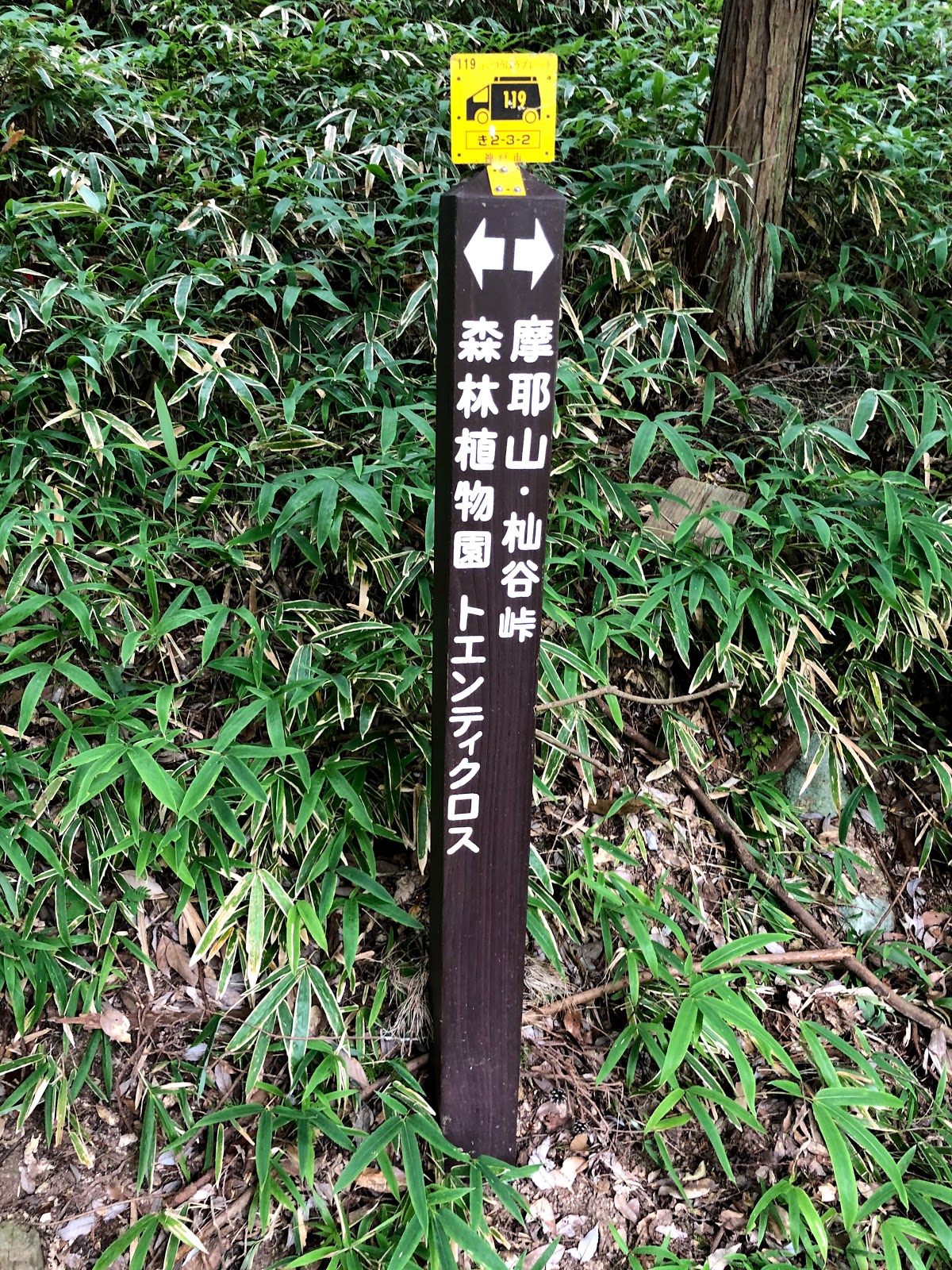
六甲山縦走の道ではない、森林植物園を通過する「トゥエンティクロス」を行きました。

この経路は2018年の台風で山崩れ・がけ崩れで通行止めになり、その後も大雨や台風でちょくちょく通行止めになっております。

こちらで確認ができます。たぶん…
http://www.city.kobe.lg.jp/life/town/road/tsukodome.html

で、通行可能を確認して出発。

ところどころに「通れるけど危険、装備や準備ないヒトは引き返すように」っぽい記載がたくさんありましたが、チャレンジしました。

「馬の背」よりも数段危険でしたが、三点支持を基本に上りました。
ズルズル滑る砂地で、上りより下りは危険だと思います。
くだりはやめた方が良いです、はい。

普通よりも時間がかかりましたが、掬星台に無事到着。

標高700mでお湯を沸かして、カップ麺で遅めの昼食となりました。

帰りは膝をいたわり、ロープウェーとケーブルで下山。

で、本題は-Twenty Cross-のカタカナが千差万別で面白かったことでした。

写真でどうぞ。
トゥエンティクロス崩落個所、通れます。

赤いリボンマークに沿って登ります。


9/13/2019

査読回ってきた…

どこか知らない論文から、査読が回ってきました。
Journal of Clinical ○aboratory ○nalysis

です。
内容はばらしたらアカンので適当に嘘まぜますが・・・
「PCIのステント再狭窄で、LDL-Cと既知の炎症マーカーがリスク!!」
ってなやつでした。
新規性がないので、Rejectにしてしまいました。

しかし、なんでまわってきたんやろか。

夕暮れのメリケンパーク
追記、ずいぶん経ちましたが、査読のお礼メールが来ました。
査読したという証明書まで付いていました。


9/04/2019

ハイキング 2019年夏終わり

旧摩耶道から摩耶山へ行きました。

理由は、銃撃戦(2019年8月21日午後6時15分ごろ、神戸市中央区熊内町9の指定暴力団山口組弘道会の事務所前で、男性が拳銃のようなもので撃たれたと消防を通じて兵庫県警に連絡があった。By毎日新聞)の場所が登山口だったので、
「そんな危険な場所は一目見ておく必要がある!!」

ってことで登りました。

湿度が高くて非常に疲労しました。

途中、イノシシに会いました。
うりぼー、も一緒でした。

思ったより時間がかかって1時間50分程度でした。疲れました。


登山アプリです、地図として使えます。


9/02/2019

New ESC/EAS dyslipidemia guidelines advocate “lower is better” for LDL-c NEWS - SEP. 1, 2019

Presented at ESC Congress 2019 in Paris, France

2019のESC/EASのガイドライン
LDL-Cは下げてね、50未満でもええで。
スタチン使ってさらにエゼチミブ、それでもだめならPCSK9-i使ってね。

TGがスタチンでも下がらなかったら、ω-3使ってね。
それでもだめなら、フィブラートとスタチン併用してね。
(ペマフィブラート言及なし)
75歳以上でも治療認容(リスクやその他の薬剤相互作用考えて)あれば、スタチンなどで治療してね。

です。以下原文。


LDL-c levels should be lowered as much as possible to prevent cardiovascular disease, especially in high and very high risk patients. That is one of the main messages of the European Society of Cardiology (ESC) and European Atherosclerosis Society (EAS) Guidelines on dyslipidaemias, presented at the ESC congress in Paris, France. The guidelines are an update to the 2016 ESC/EAS Dyslipidemia guidelines. Since then, major clinical trials have demonstrated the efficacy of PCSK9 inhibiting therapy in lowering LDL-c levels beyond those attained on intensive statin treatment. This results in significant reduction in CV events in patients with established atherosclerotic CV disease and acute coronary syndrome (ACS). There is no lower limit of LDL-c that is known to be unsafe. The guidelines aim to ensure that the available drugs (statins, ezetimibe, PCSK9 inhibitors) are used as effectively as possible to lower levels in those most at risk.

Additionally, there has been further information from the IMPROVE-IT trial with ezetimibe, which demonstrated enhanced absolute CV benefit in very high-risk individuals with diabetes compared with those without, reflecting the higher absolute risk of this group.

Moreover, knowledge of the impact of genetic variants influencing LDL-C levels and lifelong risk for ischaemic heart disease has increased, driven largely by insights from Mendelian randomisation studies.

New recommendations in these guidelines, compared to the 2016 version, include:

LDL-c levels should be lowered as much as possible to prevent CV disease, especially in high (<70 mg/dL or <1.8 mmol/L and at least 50% reduction from baseline) and very high-risk patients (in both primary and secondary prevention, patients should achieve both a goal of <55 mg/dL or <1.4 mmol/L and at least 50% reduction from baseline).
Revisions have been made to the risk stratification categories so that patients with ASCVD, diabetes with target organ damage, familial hypercholesterolaemia, and severe chronic kidney disease are all categorised as very high-risk. ACS patients are now also considered to be at very high risk of recurrent events.
The guidelines emphasize the importance of combination therapy, first with ezetimibe and followed by a PCSK9 inhibitor to achieve the recommended targets in high-risk patients.
While statin treatment remains the first choice for managing high triglycerides (TG, >200 mg/dL or 2.3 mmol/L), the new guidelines have taken account of evidence from REDUCE-IT and recommend n-3 PUFAs (particularly icosapent ethyl 2 x 2 g daily) in high-risk patients with persistently elevated TG (between 135 - 499 mg/dL or 1.5 and 5.6 mmol/L) despite statin treatment. In high-risk patients at LDL-C goal with TG >200 mg/dL or >2.3 mmol/L, fenofibrate or bezafibrate may be considered in combination with statins.
Considering new insights from epidemiological and Mendelian randomisation studies that Lp(a) is causal in ischemic heart disease, the guidelines now recommend Lp(a) at least once in adults. Current options for treatment of high Lp(a) are limited to the PCSK9 inhibitors which have been shown to reduce levels by 25-30% on average with or without background statin therapy.
Assessment of arterial (carotid and/or femoral) plaque burden on arterial ultrasonography, and CAC score assessment with CT should be considered as a risk modifier in individuals at low to moderate risk.
Treatment with statins is recommended for primary prevention, according to the level of risk, in older people aged ≤75. The evidence for statin therapy is more limited in patients over 75, though is still consistent with a benefit. The guidelines advise taking level of risk, baseline LDL-c, health status, and the risk of drug interactions into account when deciding whether statins are appropriate in those aged 75 or over.
Statin therapy is not recommended in pre-menopausal patients with DM who are considering pregnancy or not using adequate contraception.
In conclusion, these new ESC/EAS dyslipidaemia guidelines emphasise that lower LDL-C is better; the absolute LDL-C reduction drives the clinical benefit. Evidence from Mendelian randomisation studies has been critical in driving a ‘sea change’ to treat earlier, which ultimately may mean less intensive therapy in the longer-term. With the new LDL-C goals comes recognition of the importance of combination therapy in high and very high-risk patients, first with ezetimibe and then a PCSK9 inhibitor, to attain these levels. The fundamental next steps are appropriate implementation by clinicians in their practice, together with ensuring treatment adherence by patients.

- Our reporting is based on the information provided at the ESC congress -


深夜の帰り道、すれ違ったヤツは野獣。